Madeira Rum

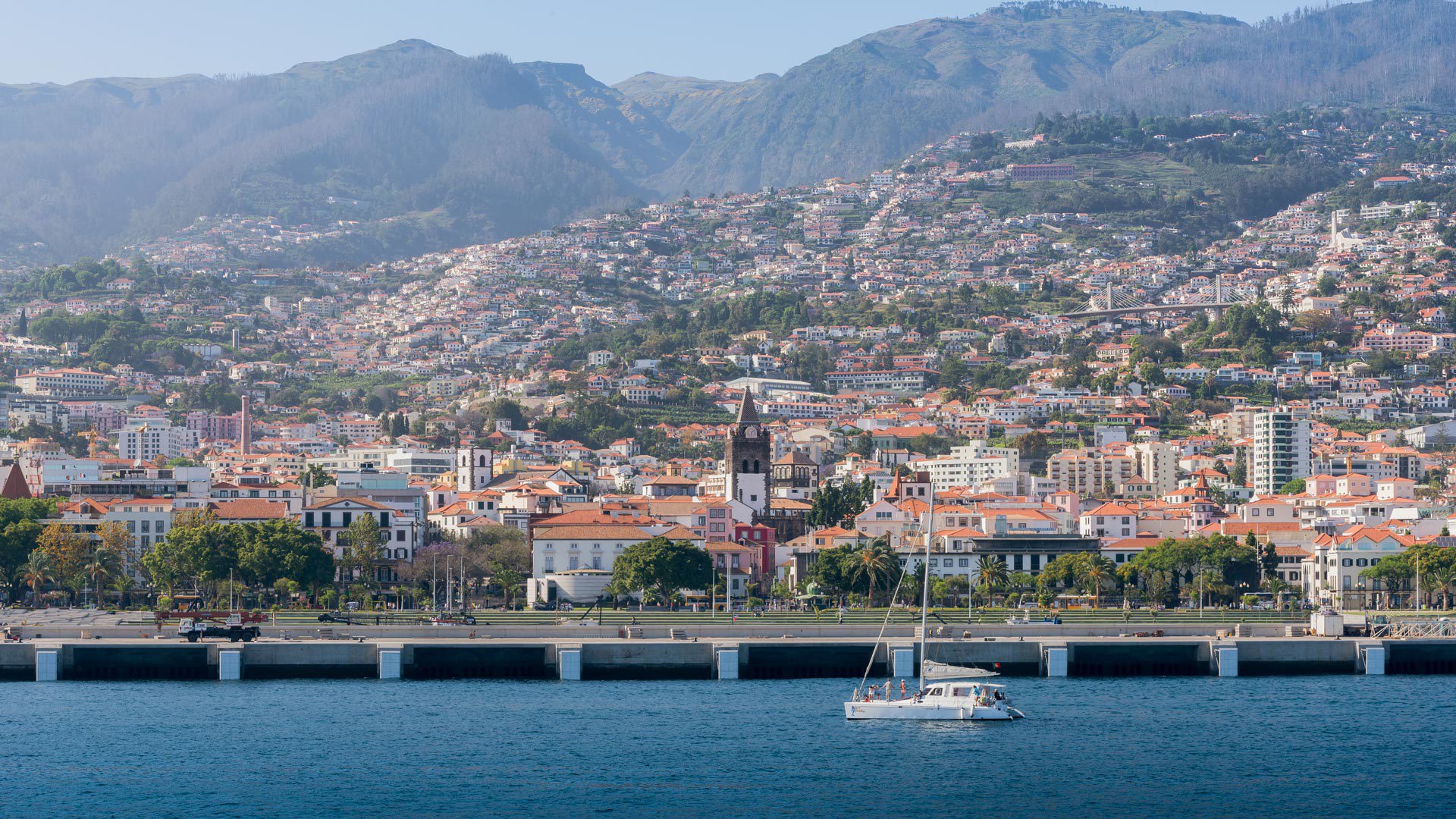
Derived exclusively from the alcoholic fermentation and distillation of sugar cane juice, Madeira Rum is one of the most appreciated traditional products of this Atlantic archipelago. Its award-winning quality is the result of a centuries-long process of refinement.


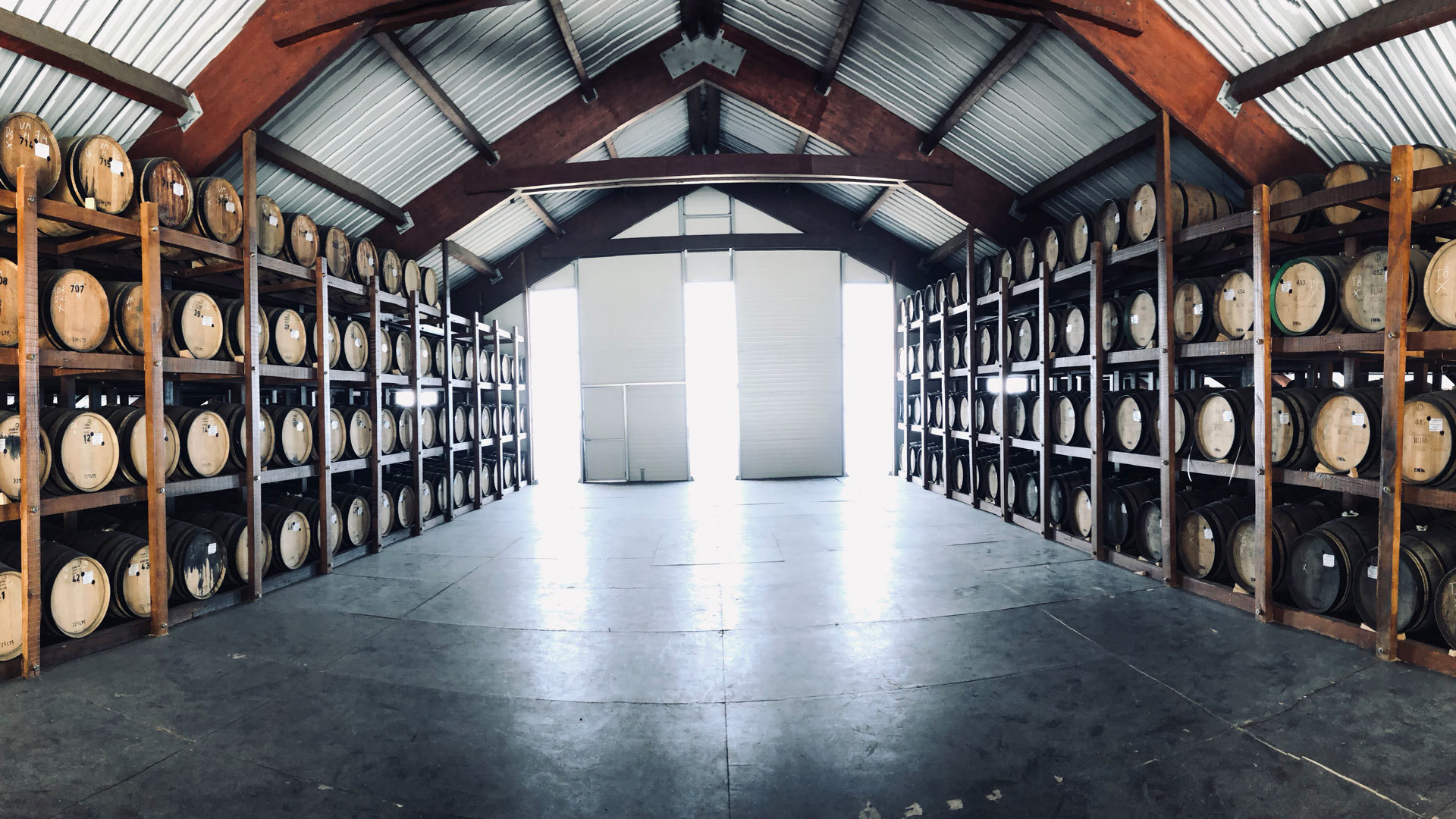
Madeira Rum, commonly known as "sugar cane spirit", has a minimum alcohol content of 37.5% by volume. From natural rum, the raw material for the typical "poncha", to Madeira Rum aged in oak barrels, you will find a wide range of options to enjoy, all duly certified by the Instituto do Vinho, do Bordado e do Artesanato da Madeira (Wine, Embroidery and Handicraft Institute of Madeira).




The history of Rum and Sugar Cane
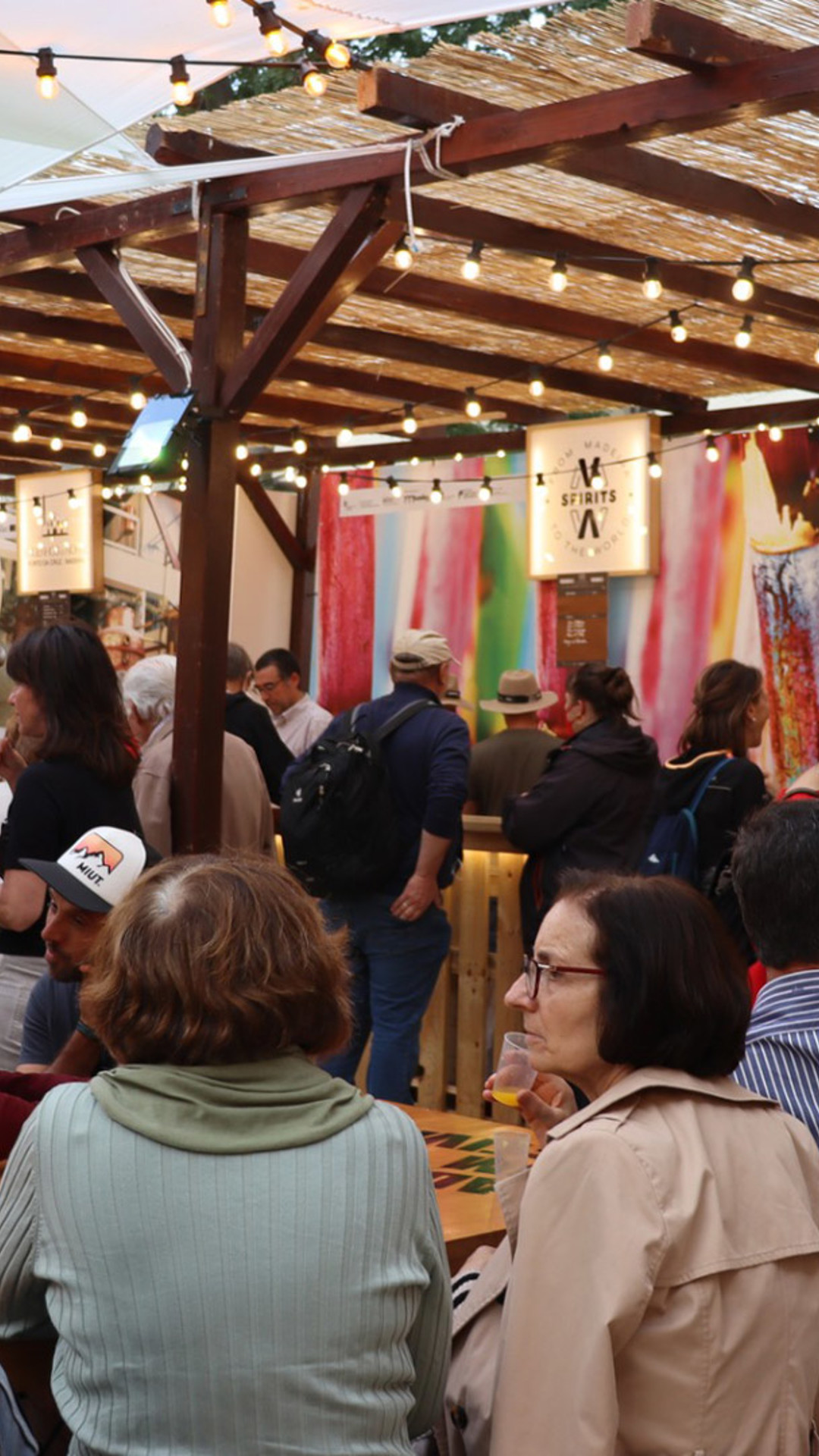
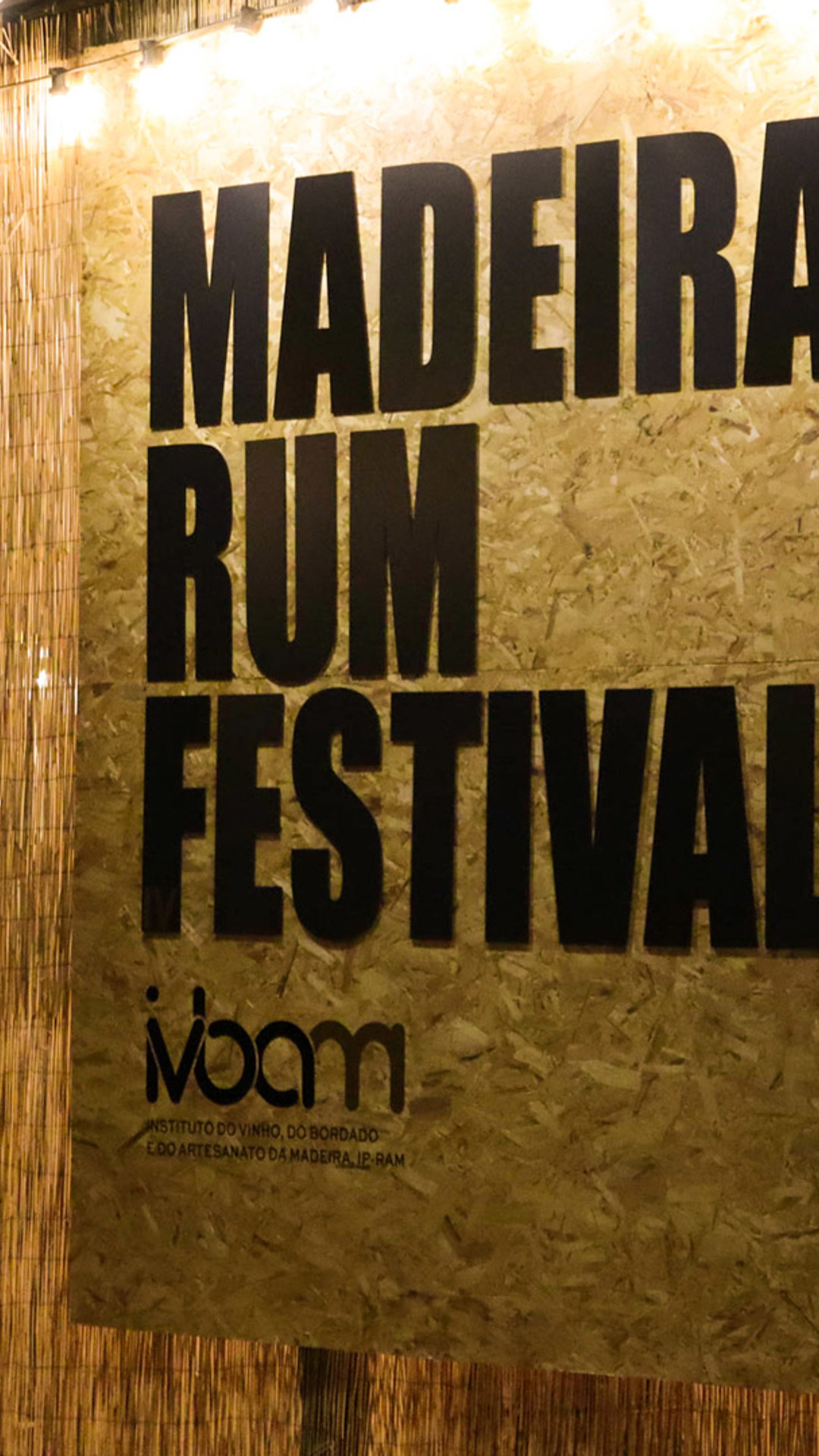
Today, Madeira Rum is undeniably one of the most well-known and appreciated regional products of the archipelago by visitors and locals alike. The uniqueness of this product is largely due to its long history of refinement.
The origins of "Madeira brandy", as it is commonly called, date back to the period of the archipelago's discovery. Shortly after the arrival of Portuguese navigators to this pearl of the Atlantic, in the 15th century, the introduction of sugar cane was made through stakes from Sicily. Even at this time, sugar became one of Madeira's main products (it was even called 'white gold'). It started being exported to mainland Portugal, the Gulf of Guinea, Africa, Northern Europe and the Mediterranean area. Besides, the abundance of this raw material allowed the development of a very prolific transformation industry.

As a result, products began to be manufactured that became part of the identity of these islands, such as sugar cane molasses and, of course, Madeira Rum. Initially, this drink was made with rather rudimentary means. However, by the end of the 19th century, the first sugar cane spirit distillation devices appeared on the island.

During the 20th century, the shutdown of some very important industrial units led to a decline in production. However, with the turn of the century, there was a substantial increase in demand for this unique product. As a result, Madeira's historic Rum has become increasingly renowned and sought after all over the world.

Where to buy